Sasaeng is not K-pop’s word for a particularly dedicated fan.
It is a word used when fandom has moved into someone’s private life.
That distinction matters because English phrases such as “hardcore fan,” “superfan” or even “obsessive fan” can make sasaeng behavior sound like the far end of normal fan enthusiasm.
Korean fandom does not generally treat it that way.
The label is negative. It is used around conduct such as following private schedules, waiting near homes, purchasing leaked personal information or repeatedly forcing contact outside spaces opened to fans.
In K-pop, sasaeng refers to someone whose behavior intrudes into a celebrity’s private life. The useful distinction is not “casual fan versus intense fan.” It is authorized fan access versus unwanted private intrusion.
Buying many albums does not make someone a sasaeng
K-pop has fans who travel to several concerts, enter many fansign raffles and spend heavily on albums or merchandise.
Those choices can raise their own questions about money and fan culture.
They are not the definition of sasaeng behavior.
The line appears when someone moves from an official or publicly available fan space into private access that the artist did not offer.
An official fansign and waiting outside a residence are not the same activity at different levels of intensity.
A public concert schedule and a leaked private travel itinerary are not the same kind of information.
Fans themselves usually draw the boundary sharply
One reason “stalker fan” is often a better English approximation than “extreme fan” is that ordinary fandom communities frequently reject sasaeng behavior outright.
The issue is not who loves the idol more.
The issue is whether the behavior still belongs inside fandom at all.
This is why Korean fan discussions may say that a sasaeng should not be called a fan.
The distinction protects both the artist and the identity of the wider fandom.
A 2026 Jung Kook case moved the issue firmly into criminal law
In May 2026, the Seoul Western District Court sentenced a Brazilian woman to one year in prison, suspended for two years, for stalking BTS member Jung Kook and trespassing.
According to court reporting, she visited his residence and the surrounding area 22 times over several weeks in late 2025.
This is not useful because it gives readers another dramatic sasaeng story.
It is useful because the legal system treated the conduct as stalking and trespass, not as unusually enthusiastic fandom.
The article does not need — and should not provide — details that would help someone locate a celebrity’s residence or reproduce the conduct.
Korean law draws its own line
Under Korea’s anti-stalking law, stalking conduct can include approaching or following a person against their will without legitimate reason, waiting near a residence, workplace or school, repeatedly contacting someone through communications networks, and distributing personal or location information.
Repeated conduct can constitute a stalking crime.
This legal definition and the fandom word sasaeng overlap, but they are not interchangeable.
Not every action fans label “sasaeng” automatically satisfies every element of a criminal offense.
And behavior can be legally problematic whether or not anyone in a fandom uses the Korean slang term.
Fansite and sasaeng are not synonyms
This distinction is also frequently lost outside Korea.
A fansite operator may use a large professional camera at concerts, press-accessible arrivals or public events.
That can look intense to someone unfamiliar with K-pop fan culture.
The camera is not the decisive issue.
A fansite operator can cross a privacy boundary, just as someone with no camera at all can cross it by buying private information or waiting near a residence.
The better questions are: Was the schedule public? Was the location opened to fans? Was the information obtained legitimately? Was the contact wanted?
Airports expose the ambiguity
K-pop makes the line especially difficult to see at airports.
Entertainment media may photograph an artist’s departure for an overseas schedule. Agencies may know cameras will be present. Fans may see publicly released images within minutes.
That does not turn the entire journey into public property.
Buying leaked flight information, trying to access the same private route or following a person beyond the public appearance is a different form of behavior.
Public visibility at one point does not remove privacy from everything that follows.
The word should not be thrown at every fan you dislike
There is a problem in the other direction too.
Because sasaeng is a serious accusation inside fandom, using it casually for someone who simply attends many events makes the term less useful.
Frequency of fan activity is not enough.
The defining concern is intrusion.
That is why “sasaeng meaning” cannot be answered properly with one dictionary sentence.
The word matters because K-pop deliberately creates unusually close contact between stars and fans — and still requires a firm line around the parts of a person’s life that were never offered for public access.
Sources
- The Korea Times — 2026 Jung Kook stalking case
- Korea National Law Information Center — anti-stalking law
Dessert — two more sides of Korea
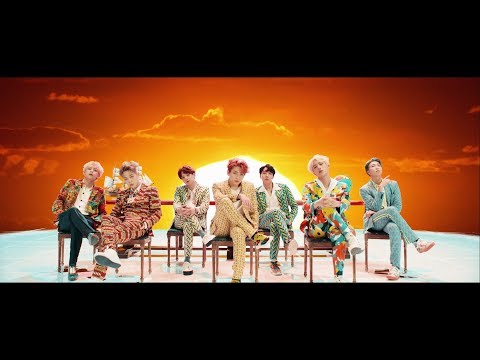
BTS — IDOL
A performance-centered finish after an article that deliberately separates public fandom from private life.
Five Days in Seoul — Everyday City Life
A recent Seoul vlog built around cafés, neighborhoods, food, art and shopping — ordinary public life after a story about the limits of celebrity access.
Post a Comment