Updated: September 5, 2026
A K-pop idol arrives at Fashion Week and the runway has not even started.
It does not matter. The airport outfit is already circulating. Fans are filming the entrance. A bag, jacket or pair of sunglasses gets identified in minutes. The fashion house’s name moves through edits, searches and fan accounts in several languages.
The obvious explanation is:
“Luxury brands choose K-pop idols because they have millions of followers.”
Followers help. But they do not explain why fashion houses keep choosing particular idols—or why one partnership feels natural while another feels like a random advertisement.
Luxury brands choose K-pop idols because a strong fandom can move attention, not merely receive it. Fans search products, translate interviews, clip Fashion Week arrivals and carry the same image across countries and platforms. But attention is not sales. The partnerships that last also need a believable fit between the idol’s image and the fashion house’s identity.
1. Brands Want Fans Who Do Something With Attention
A follower count tells a brand how many people might see a campaign. It does not tell the brand what those people will do next.
K-pop fandom is unusually active. Fans identify clothes, translate interviews, make short edits, track airport looks, organize hashtags and repost official campaign material into different languages.
Reuters described fashion houses using K-pop stars to reach the large international communities those artists already carry.
That does not mean every fan buys a handbag. It means one campaign can travel much farther than the brand’s own account.
2. The Best Ambassador Is Not Always the Idol With the Biggest Following
Luxury brands sell a story about identity as much as a product. That makes fit important.
An idol can be valuable because of elegance, rebelliousness, gender-neutral styling, a strong relationship with younger consumers, influence in a specific country or simply the ability to wear a house’s clothes without looking borrowed.
This is why two idols with similar follower counts can be very different brand choices.
The question inside a fashion house is not only “How many people know this person?” It is also “What does this person make people feel about us?”
3. “Global Ambassador” Is Not a Universal Ranking
Fans often compare titles such as Global Ambassador, House Ambassador, Brand Ambassador or Friend of the House as if they were ranks in one shared system.
They are not.
Fashion houses use their own language, and full contract terms—territory, product category, exclusivity, fees and duration—are rarely public.
So the safest rule is simple: use the exact title the brand publishes and do not invent a hierarchy around private contract details.
4. Fashion Week Turns One Appearance Into Days of Content
A runway show may last only minutes. An idol’s fashion-week story can begin at the airport and continue through fittings, arrivals, front-row photos, backstage clips and the flight home.
That is unusually efficient for a luxury house. One appearance creates many small media moments without the campaign feeling like the same advertisement repeated over and over.
It also explains why the front row matters so much in K-pop coverage. The idol is not only watching the collection. The idol is helping turn the show into entertainment for people who would never follow the fashion calendar on their own.
5. Current Brand Pages Show the Pattern Clearly
You do not need a giant ambassador spreadsheet to see what brands are buying.
JISOO × Dior — Dior’s own campaign page describes JISOO as its ambassador for fashion and beauty. Her music, acting and polished public image give the house several cultural entry points.
GISELLE × LOEWE — LOEWE’s Spring/Summer 2026 precollection campaign calls the aespa member a Brand Ambassador and shoots her in Seoul, connecting the house directly to a current K-pop identity.
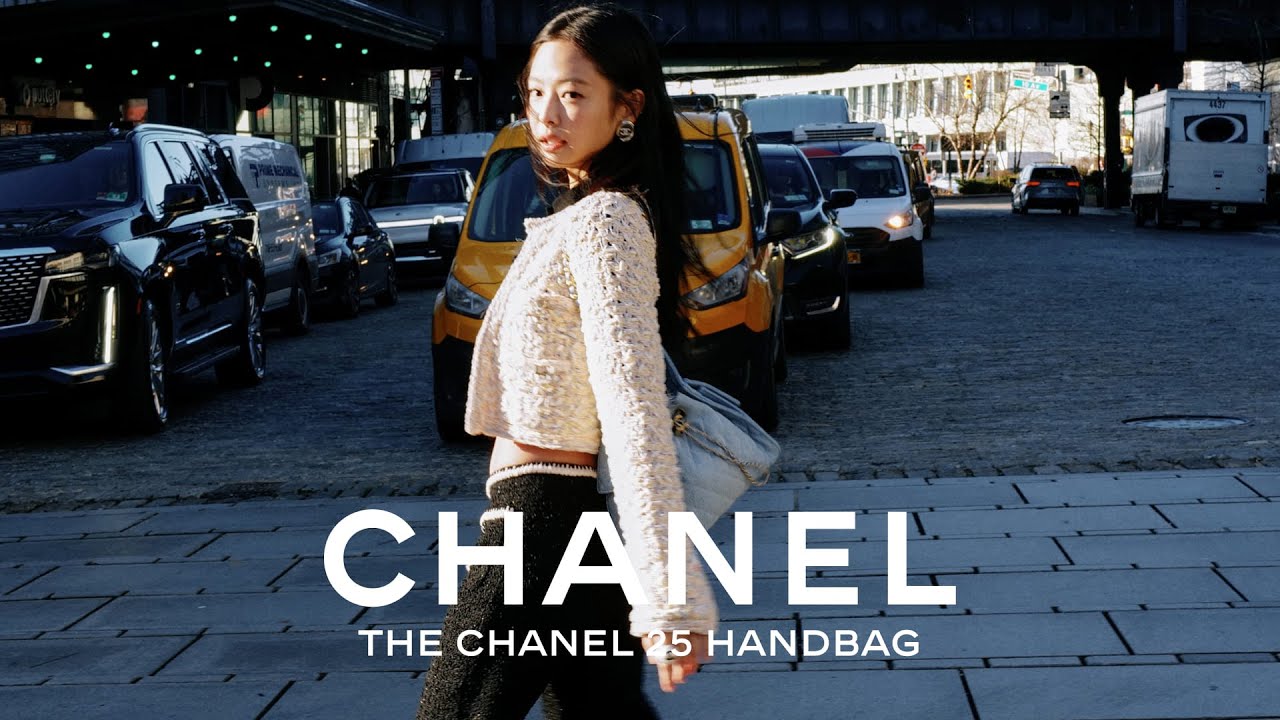
JENNIE × CHANEL — the CHANEL 25 campaign is a good example of a long-running artist-house relationship becoming a recognizable image before the viewer reads any contract language.
The common feature is not one aesthetic. JISOO, GISELLE and JENNIE do not project the same personality.
That is the point. Luxury brands are not buying “K-pop style.” They are choosing individual public identities that happen to travel through the K-pop system.
6. Viral Buzz Is Not the Same as Sales
This is where fashion discussion can become misleading.
A campaign can dominate social media without revealing how many bags, perfumes or jackets were actually sold. A product can also sell out because inventory was small, distribution was limited or demand already existed before the celebrity appeared.
Media-impact metrics can be useful for comparing attention. They are not company revenue statements.
That distinction protects the analysis from fan-war logic. An idol can create enormous cultural visibility without us pretending to know private sales data.
7. What Makes a Luxury Partnership Last?
The first announcement is easy to celebrate. The harder test comes later.
A durable partnership needs consistency: the artist keeps appearing in the clothes, the house keeps giving the artist meaningful campaigns, and the pairing remains believable as both identities change.
There are also risks. Overexposure can make every appearance feel sponsored. A poorly matched house can fight the artist’s personality. Scandals or sudden image changes can make exclusivity uncomfortable for both sides.
So luxury brands are not simply renting popularity.
They are betting that one person can carry the brand into a cultural conversation—and still look right there months or years later.
Three Videos Before You Go
What it shows: JENNIE’s official music video turns styling, movement and personal image into one clear statement.
Why watch: It makes “artist-brand fit” easier to understand before thinking about any contract or follower count.
Watch for: Notice how clothing, attitude and camera language reinforce the same personal identity.
Watch on YouTube →
What it shows: aespa’s official music video uses a colder, sharper visual language than JENNIE’s solo image.
Why watch: It shows why luxury houses do not need every K-pop ambassador to look or feel the same.
Watch for: Compare the styling language and ask what kind of fashion house would feel natural beside it.
Watch on YouTube →
What it shows: GO! Billy Korean rents a Seoul public bike and rides along the Han River with a friend.
Why watch: After Paris, runway arrivals and luxury campaigns, this brings the reader back to an ordinary, inexpensive Seoul afternoon.
Watch for: Watch how quickly the mood changes once the front row disappears.
Watch on YouTube →
Sources and factual checks: Reuters — K-pop stars and luxury fashion; Dior — JISOO campaign and ambassador wording; LOEWE — GISELLE Brand Ambassador, SS26 precollection; CHANEL — CHANEL 25 campaign video with JENNIE. Information checked September 5, 2026.
Post a Comment