K-Drama Work Culture, Decoded
In a Korean office drama, the workday often does not end when employees leave the building. The team moves to a restaurant, meat hits the grill, glasses are filled and the boss announces a second round.
Then the plot accelerates. A junior employee hears information that was never shared in the meeting. A manager makes a speech nobody wanted. Someone drinks too much, another person leaves early, and a quiet workplace conflict becomes public.
This is the K-drama hoesik: a company or team gathering built around eating, often with alcohol. It is a real part of Korean work culture, but dramas frequently compress its most recognizable features into one event. Contemporary hoesik can also be short, alcohol-free, held at lunch or replaced by another activity.
A hoesik is a meal or gathering for members of a workplace or organization. It can build familiarity, welcome employees, celebrate results and circulate information outside formal meetings. It can also consume personal time and create pressure to attend or drink. Korean workplaces are changing, so the late-night, multi-round dinner seen in older dramas is influential but not universal.
1. Hoesik Means More Than “Drinking with the Boss”
The word is commonly understood as an organizational gathering to eat together. Alcohol may be present, but alcohol is not what makes every gathering a hoesik. A team lunch, welcome meal, project celebration or year-end dinner can all fall under the term.
The host, payment arrangement and degree of formality vary. A senior person or company budget may cover the meal, but employees should not assume this without checking. Some gatherings include several venues; others end after one meal.
Older portrayals emphasize barbecue, soju, speeches, drinking games, karaoke and multiple rounds. Those images remain culturally recognizable, which is why drama writers can establish the setting immediately. Recognition, however, is not the same as a rule for every company.
2. Why K-Dramas Love the Company-Dinner Scene
A meeting room keeps characters inside official roles. The company dinner loosens the setting while leaving the relationships intact. The intern and director sit at the same table, but they do not suddenly become equals.
This makes the scene efficient. The writer can place an entire department in one location, lower everyone’s self-control and reveal information that would sound unnatural in a presentation. The meal can support comedy, romance, humiliation, team bonding and conflict at the same time.
Alcohol is also a narrative accelerator. A character may confess, complain or confront someone. But viewers should separate the dramatic device from ordinary reality. Most real dinners do not produce a life-changing revelation before dessert.
3. The Office Hierarchy Moves to the Table
A company-dinner scene often looks informal because jackets come off and people laugh more loudly. Yet the seating, ordering and speaking order may still show status.
| What appears on screen | Possible meaning | What is not automatic |
|---|---|---|
| The senior employee takes a central seat | The group is still organized around rank or hosting responsibility. | Every Korean restaurant has one fixed seating law. |
| A junior employee watches everyone’s glass | They may feel responsible for keeping the gathering moving. | Every younger employee must pour alcohol. |
| The boss gives a long toast | The dinner is being treated as an extension of team leadership. | Everyone agrees with the speech or enjoys the event. |
| A second round is proposed | The group may move to another bar, café or karaoke room. | Attendance at every round is unavoidable. |
| Someone leaves after the first round | They may be setting a boundary or following a newer, shorter format. | Leaving necessarily creates a serious workplace conflict. |
The most useful thing to watch is not a supposed etiquette rule but who is doing the work of maintaining the gathering. Who orders, grills, pours, laughs at the boss’s joke, arranges transportation or notices that a colleague is uncomfortable?
4. Informal Information Can Make the Dinner Feel Important
Formal organizations do not distribute every piece of information formally. Employees may learn about a project, management mood or team conflict during a meal. A new employee can also meet colleagues who rarely appear in their daily work.
That can make attendance feel useful even when it is officially optional. Missing one dinner does not normally end a career, but repeatedly being outside informal networks may leave an employee feeling that decisions are happening elsewhere.
K-dramas heighten this tension. The protagonist hears a secret in the restaurant, and the audience concludes that the “real meeting” always happens after work. In reality, the amount of useful information varies by team and company. A well-run workplace should not require late-night attendance to receive information necessary for the job.
When Junior and Senior Roles Follow Everyone to Dinner
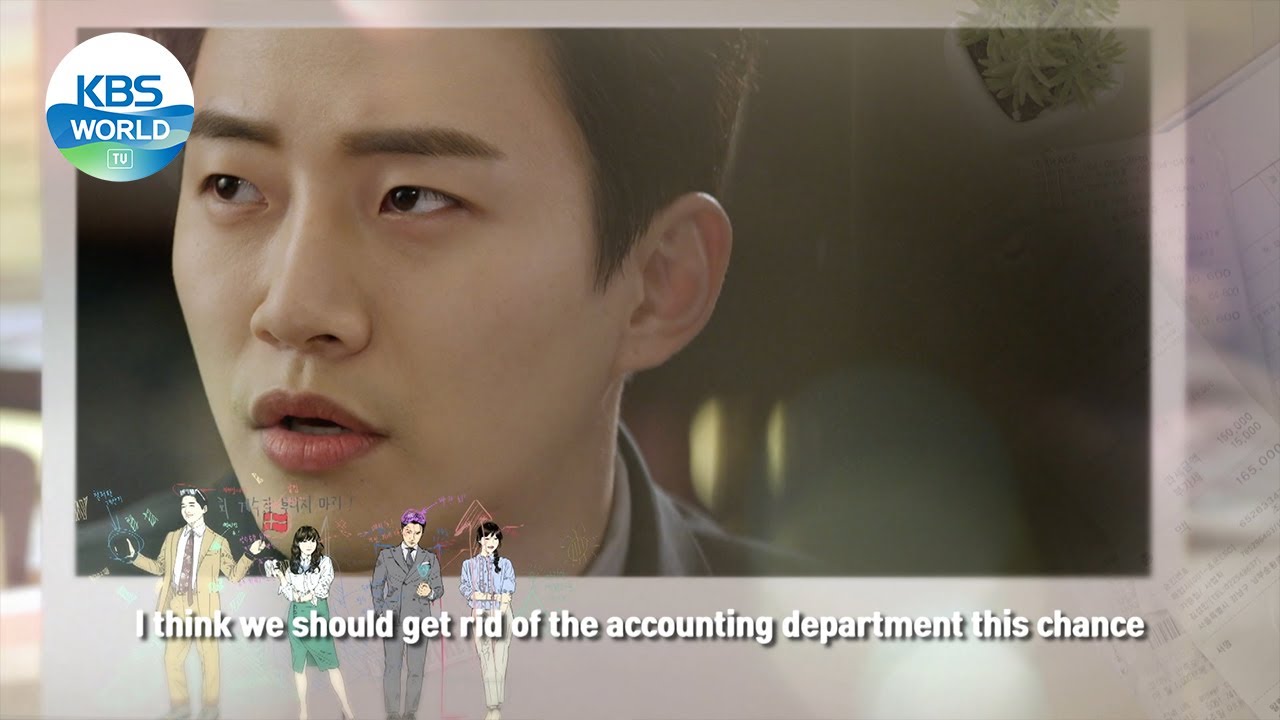
This entertainment clip exaggerates the discomfort for comedy, but the scene shows why a supposedly relaxed dinner can still reproduce workplace roles.
5. The Problem Is Not Dinner Itself
A shared meal can be genuinely enjoyable. It can welcome a new employee, thank a team after a difficult project or give coworkers time to talk without an agenda.
The problem begins when social participation becomes an unofficial job requirement. An employee may have a long commute, childcare, study, religious reasons, health concerns or simply a need for private time. Alcohol pressure adds another layer, especially when declining a drink is treated as rejecting the team.
Power matters. An invitation from a peer and an invitation from the person who controls an evaluation do not feel equally optional. This is why the sentence “You don’t have to come” does not always remove pressure.
K-dramas often turn this imbalance into visible humiliation: forced toasts, personal questions or a drunken senior. Those events should not be treated as acceptable etiquette simply because they are familiar dramatic scenes.
6. Korean Hoesik Culture Is Changing
Recent reporting has described a decline in heavy, late-night corporate drinking. Younger employees have been more willing to protect personal time, while health concerns, changing gender expectations, costs and altered management practices have all affected after-work gatherings.
Modern alternatives include lunch gatherings, alcohol-free meals, sports or cultural activities, voluntary attendance and a “first round only” policy. Some teams ask employees to choose the menu or schedule the event during work hours.
The change is uneven. A technology start-up, a factory, a public agency and a small family business may have very different practices. Even within one company, one manager may keep dinners short while another prefers an older multi-round style.
Even as real gatherings change, audiences immediately understand the pressure contained in “The boss wants a second round.” A familiar older format can still function as a powerful story device.
7. K-Drama Hoesik and Real Hoesik Are Not Identical
Dramas select events that produce consequences. The employee who eats quietly and goes home at 8:30 p.m. rarely becomes the center of an episode. This selection makes dinners appear more chaotic, drunken and decisive than most ordinary gatherings.
At the same time, the scene can reveal a real workplace question: when does “team bonding” become work, and who pays the cost? The company may pay the restaurant bill, while employees pay with time, energy, childcare arrangements or a difficult trip home.
Good office dramas leave room for both sides. Coworkers can form genuine trust at dinner, and the same institution can pressure them to perform closeness. The meal is neither automatically warm nor automatically oppressive.
8. What an International Employee Should Clarify
If invited to a hoesik, practical questions are more useful than memorizing drinking rituals:
- Is it lunch or after work, and approximately when will it finish?
- Is attendance expected or genuinely optional?
- Will alcohol be central, and are non-alcoholic choices available?
- Who is paying, and is there a company budget?
- Can dietary, religious or accessibility needs be accommodated?
- Is there a second round, and can employees leave after the meal?
A person can join the meal without drinking. They can also decline an additional round. How easy that feels depends on the workplace, which is precisely why a healthy organization states the options clearly.
This article explains culture, not employment law. Serious coercion, harassment or retaliation should not be dismissed as “just Korean culture”; official workplace policies and qualified support are more relevant in those situations.
Watch who can refuse, who must maintain the mood, who receives information and who is expected to stay after they want to leave. That distribution of choice reveals more than the number of empty bottles.
Sources
- Korea.net — It’s hoesik time
- Korea JoongAng Daily — What’s with all these booze-fueled after-work dinners?
- Reuters — Young South Koreans and the return of work dinners
- Reuters — South Korea’s changing after-work drinking culture
- Sources and media pages reviewed September 16, 2026.
Related Videos
A Thursday-Night Company Dinner
A closer look at how a group dinner can operate as an ordinary social event rather than a single dramatic stereotype.
When a Lavish Dinner Becomes Office Comedy
This KBS drama clip shows how writers turn a company dinner into physical comedy while keeping the workplace relationship visible.
Post a Comment