In Seongsu, a store you saved on a map can be gone by the time you return a few months later.
That does not necessarily mean the business failed. It may have been designed to disappear.
A building can host a beauty launch one month, a character collaboration the next and a K-pop album pop-up after that. On weekends, visitors may line up before opening time.
Seoul’s pop-up boom reflects how brands now use temporary physical spaces for marketing, fan engagement and product testing.
Seoul has so many pop-ups because short-term retail, social media and fast-moving beauty, fashion and entertainment industries work well together. Seongsu offers large adaptable spaces, cafés, young visitors and growing tourist traffic.
Why Seongsu became the center
Seongsu has a physical advantage.
Many former factories and warehouses were converted into commercial spaces. Some have high ceilings, open floors and industrial surfaces that can be adapted without making every event look like a standard shopping mall.
The neighborhood also has dense foot traffic between cafés, fashion stores, beauty shops and restaurants.
A visitor rarely travels to Seongsu for one shop and leaves immediately. One pop-up becomes part of a half-day route.
A closing date creates urgency
A permanent store can be visited next month.
A pop-up has an end date.
That changes behavior.
Visitors check the operating period first. Limited goods can sell out. Some events require reservations. Others offer benefits only during the first week.
The temporary nature of the space becomes part of the marketing.
K-pop is especially suited to pop-ups
A K-pop release contains far more visual material than a song.
There are concept photographs, logos, stage outfits, music-video props, character designs and album packaging.
A temporary physical space can turn those materials into an experience.
Fans can see costumes, listen to previews, take photos, print customized goods and purchase merchandise in the same place.
For NCT Dream’s 2025 “Time Riders” pop-up in Seongsu, four floors were built around the group’s time-travel album concept.
Fans are not just buying products
Many visitors leave a pop-up without making a major purchase.
The visit can still be valuable to the brand.
People take photos, play games, try products, upload videos and tag the event location.
The space produces social-media content at the same time that it sells merchandise.
Beauty and fashion use the same format
Pop-up culture is not limited to entertainment.
K-beauty brands use temporary spaces to introduce products and create highly photographed installations. Fashion brands use them for collaborations, capsule collections and market tests.
A plain room with products on shelves now competes with spaces that include cafés, scent experiences, photo zones, workshops and interactive displays.
Foreign visitors have changed the audience
Seongsu is no longer aimed mainly at young Seoul residents.
International tourists now account for a significant share of traffic in many stores.
That gives the neighborhood another business role: brands can see domestic and international reactions in the same district.
The pop-up boom also creates problems
Not every pop-up is worth waiting for.
Some have impressive exteriors but little inside. A long queue may lead to a small photo zone and a merchandise counter.
High demand can also push up the cost of temporary commercial space.
That creates pressure on smaller businesses that helped make Seongsu attractive in the first place.
A long line is not a quality score
Queues are highly visible and can quickly create more attention.
People passing by search for the event. Those photographs create more social posts, which attract more visitors.
But a line may be caused by limited entry, free merchandise, an idol collaboration or opening-week demand.
A more useful way to read a pop-up is to watch what people do after entering. Where do they spend time? What do they photograph? What do they actually buy?
Why Seoul keeps using temporary retail
Pop-ups match industries with fast release cycles.
K-pop has comebacks. Beauty has frequent launches. Fashion has collaborations and seasonal collections.
A brand can build a strong physical presence for a short campaign without operating the same large store all year.
That is the practical reason Seongsu changes so quickly.
Sources
Dessert — two more sides of Korea
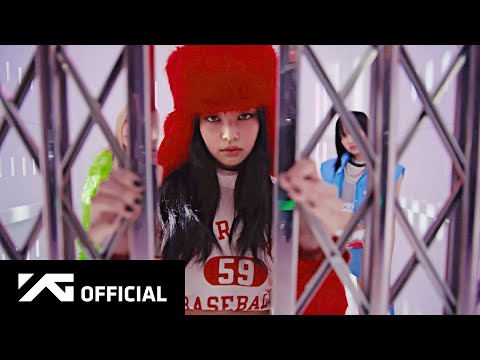
BLACKPINK — Shut Down
A polished visual contrast that fits Seoul’s fashion-and-brand side.
Seongsu 2026 — Pop-Up Stores & Shopping
A current street-level look at the district described in the article.
Post a Comment